
Topic
Motorcycle Tours
21.7.2026
Motorcycling in the Czech Republic: Top Routes, Rules & Tips
Motorcycling in the Czech Republic: top regions, road rules (vignettes, 0.0% BAC limit, first aid kit requirement), and insider tips. Plan your ride now.
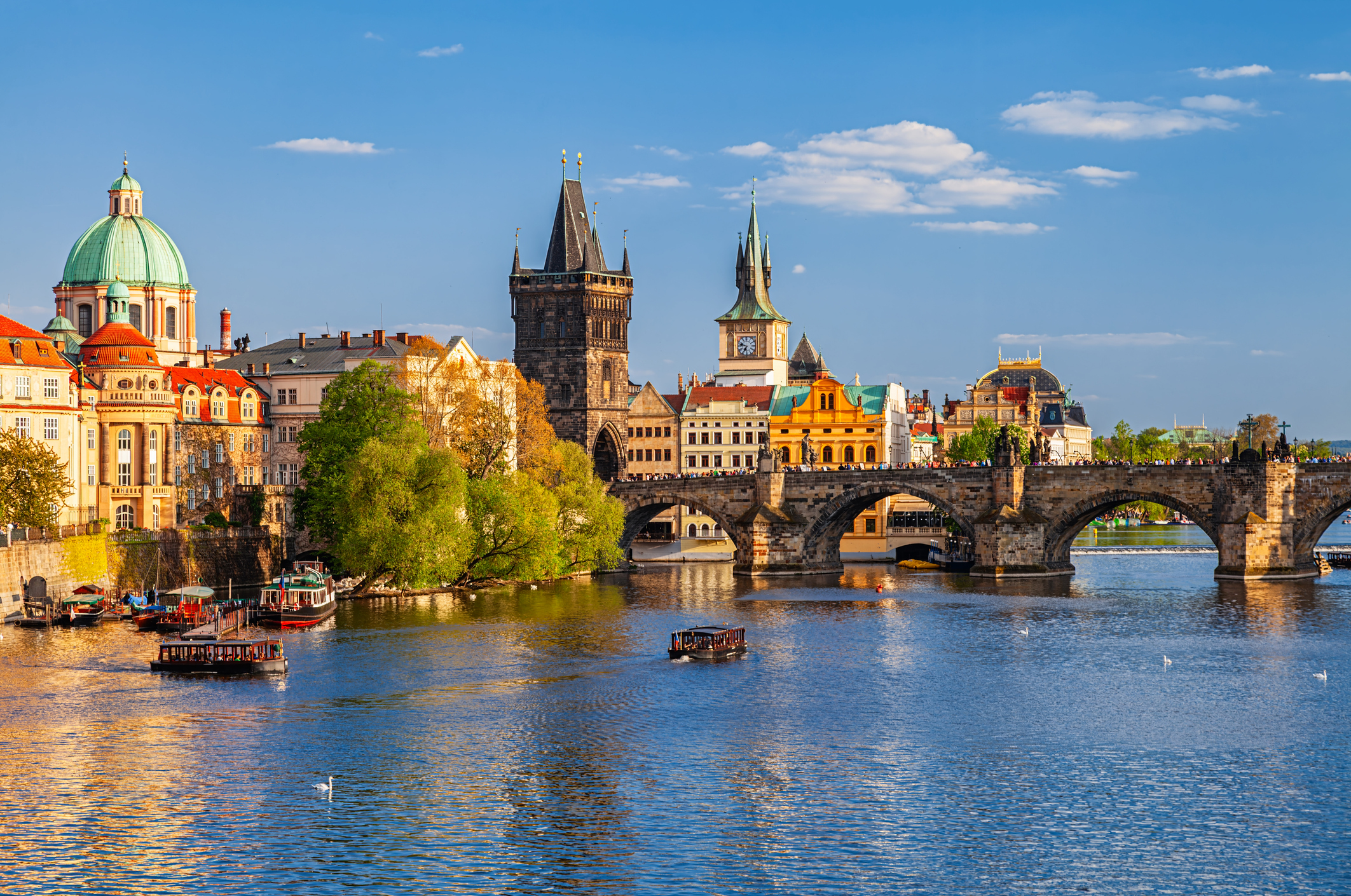
While the Czech Republic doesn’t have Alpine passes, it makes up for it with quiet country roads through rolling hills, historic towns, and a beer culture that turns every stop along the way into an experience. Plus there's one big advantage over most neighboring countries: motorcycles can use all Czech highways and expressways completely toll-free. In this guide, you’ll find the best regions for your Czech motorcycle adventure, all current traffic rules, and the most important tips.
Why Riding Through the Czech Republic Is Worth It
When you think of a motorcycle trip, places like the Stelvio Pass, the Grossglockner High Alpine Road, or the Col du Galibier probably come to mind first. The Czech Republic offers a completely different kind of riding experience, and that’s exactly what makes it special.Instead of dramatic Alpine passes, you’ll find rolling hills and rugged uplands, miles of quiet country roads with little traffic, and villages where a hearty lunch with dumplings and a Pilsner still costs less than 10 euros. Add to that an impressive concentration of castles and chateaus that’s hard to match anywhere else in Europe.
For motorcyclists, that means relaxed riding instead of chasing mountain passes. It’s about enjoying the journey rather than setting cornering records. If you’re looking for a week of riding without bumper-to-bumper traffic and toll booths after a busy touring weekend, this is the place to be.
The Czech Republic works just as well for a long weekend getaway as it does for a 10-day road trip.
The Best Regions for Motorcycle Trips in the Czech Republic
The Czech Republic is broadly divided into Bohemia (west, including Prague) and Moravia (east). For riders, the most interesting areas are the mountain regions along the country's borders. We've grouped them by character.Ore Mountains: Twisty Roads Along the Saxon Border
For many German riders, the Ore Mountains (Czech: Krušné hory) are the gateway to the Czech Republic. The scenic ridge route follows the border and offers views into both countries, along with enough twisty roads to keep you entertained for an entire weekend.Distance: around 100 km (62 miles) along the ridge route, plus optional loops
Recommended duration: 1–3 days
Highlights: Boží Dar (the highest town in the Czech Republic), Klínovec (Keilberg, 1,244 m / 4,081 ft), Jáchymov
Best time to visit: May to October
Ideal as a cross-border ride from Germany. Many riders combine the Ore Mountains and the Vogtland into one loop.
Giant Mountains: Home to the Czech Republic's Highest Peak
The Giant Mountains (Krkonoše) are the Czech Republic's highest mountain range, crowned by Sněžka (1,602 m / 5,256 ft), the country's most prominent peak on the border with Poland. For riders, highlights include the climb up to Špindlerův Mlýn from the valley, the route through Pec pod Sněžkou, and day rides into the Polish side of the Giant Mountains beyond the ridge.Distance: flexible routes (day rides of 150–250 km / 93–155 miles)
Recommended duration: 2–4 days
Highlights: hike to Sněžka, Špindlerův Mlýn as a popular biker meetup, border passes into Poland
Best time to visit: mid-May to late September
Tip: In summer, the Giant Mountains are also a popular hiking destination. Some roads may have seasonal restrictions or limited access for motor vehicles, so it's worth checking ahead before your trip.
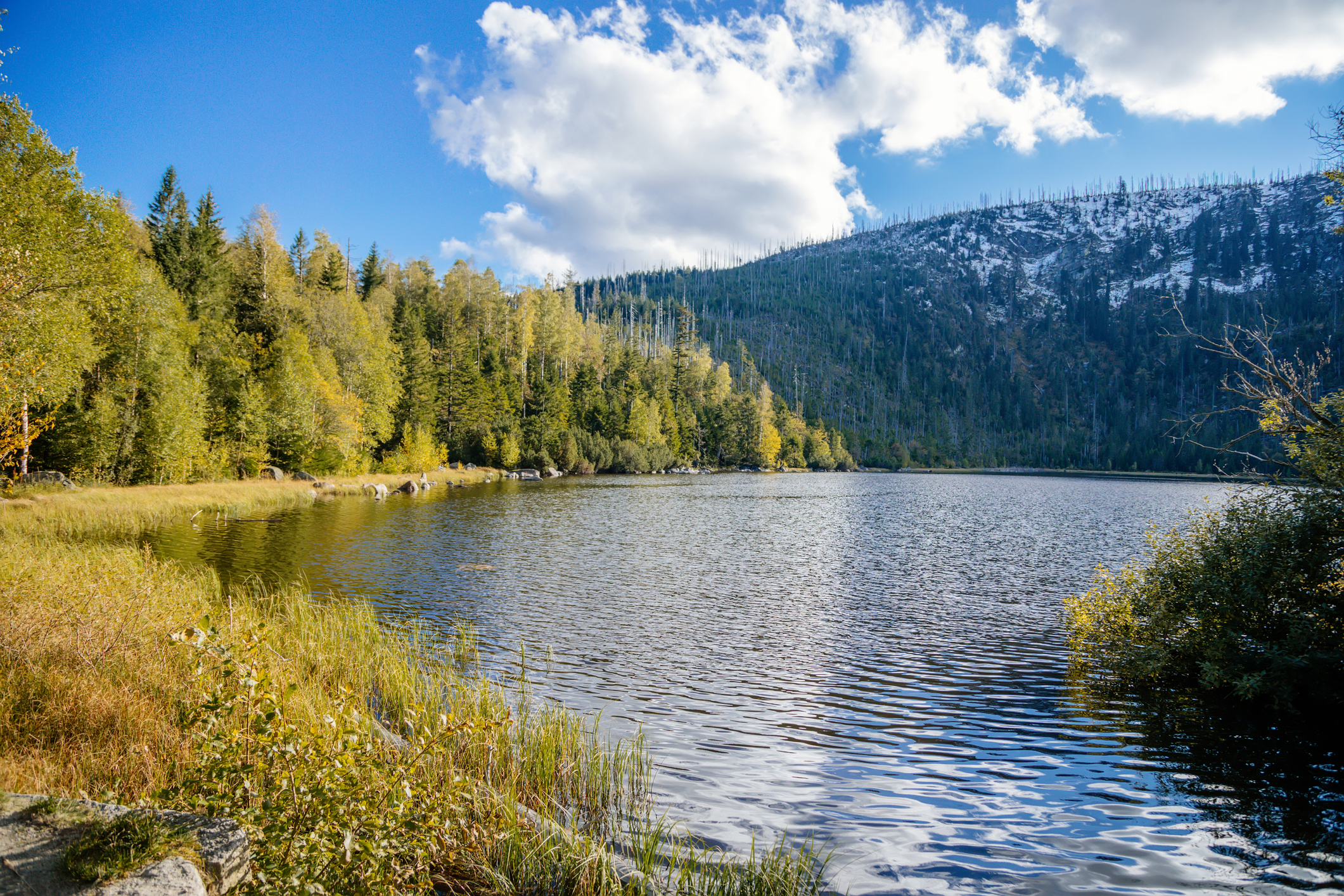
Bohemian Forest (Šumava): Deep Forests and Borderland Roads
The Bohemian Forest (Šumava) is the Czech Republic's largest forest region and borders Bavaria and Upper Austria. Its defining features are dense forests, high moors, and quiet country roads where you can ride for hours without seeing another motorcycle.Distance: loop routes of 200–400 km (124–249 miles)
Recommended duration: 2–4 days
Highlights: Lipno Reservoir, the Schwarzenberg Canal, historic towns such as Prachatice and Český Krumlov (UNESCO World Heritage Site)
Best time to visit: May to October
Bohemian Paradise: Sandstone Towers & Castles
Bohemian Paradise (Český ráj) was the Czech Republic's first UNESCO Geopark and is one of the country's most visually spectacular regions for riders. Sandstone towers rise from the landscape, winding country roads weave between them, and every few miles you'll come across a castle or chateau.Distance: loop routes of 150–250 km (93–155 miles)
Recommended duration: 1–2 days
Highlights: Prachovské skály (Prachov Rocks), Trosky Castle (twin castle towers perched on volcanic rock), Kost Castle
Best time to visit: April to October
Located northeast of Prague, it pairs perfectly with a stop in the Czech capital.
Moravian Karst & Moravia: The Czech Republic's Hidden East
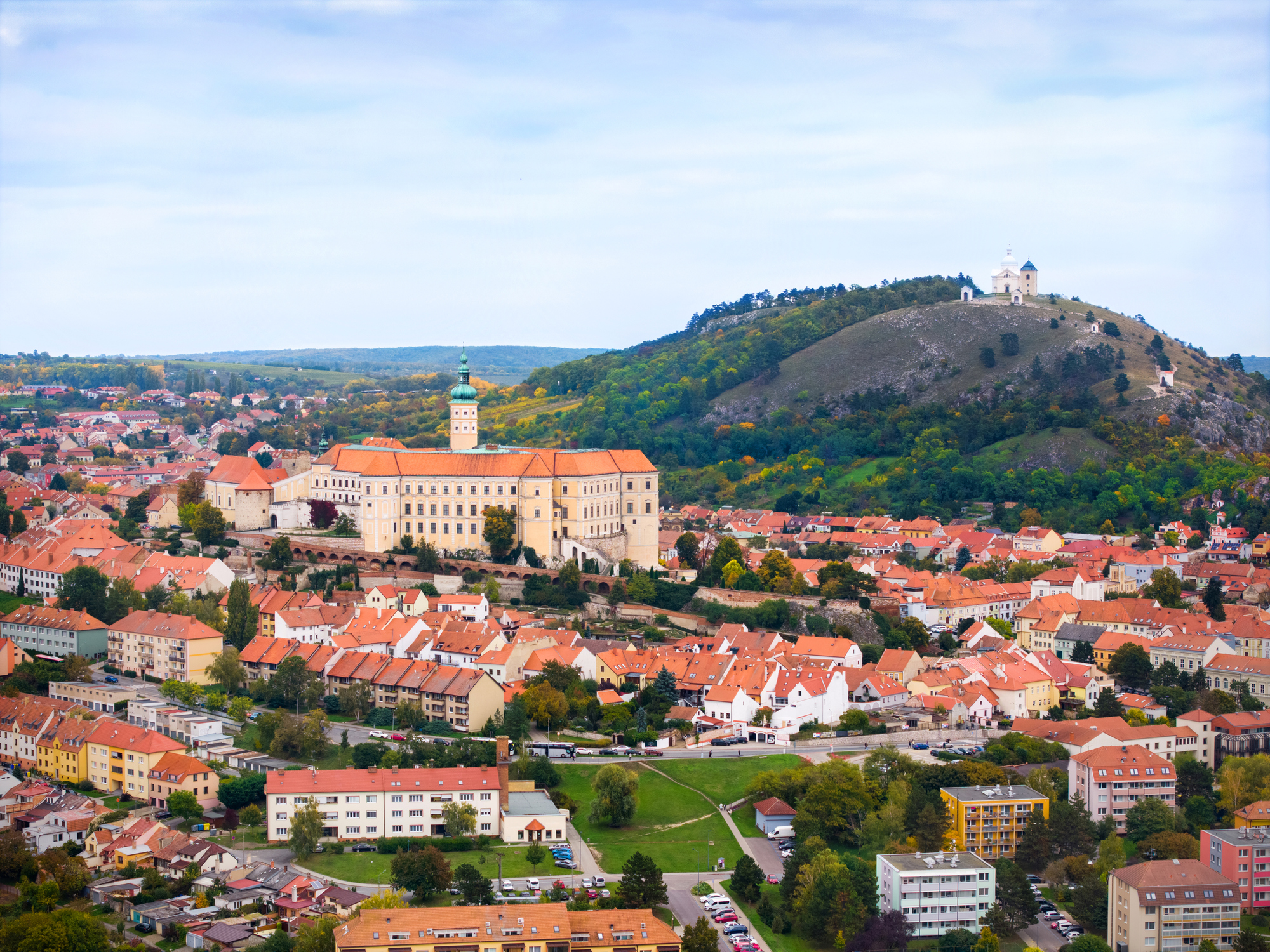
If you've already explored Bohemia and are looking for something different, head east to Moravia (Morava). The Moravian Karst (Moravský kras) is known for its extensive cave system and landmarks such as the Macocha Gorge. Farther south, you'll find the wine regions around Mikulov and Lednice-Valtice, a vast UNESCO-listed cultural landscape dotted with castles and chateaus.Distance: loop routes of 200–400 km (124–249 miles)
Recommended duration: 2–3 days
Highlights: Macocha Gorge, Lednice Chateau, wineries around Mikulov
Best time to visit: May to October
For riders who enjoy wine regions and scenic countryside, Moravia is one of the Czech Republic's hidden gems, especially in late summer during the grape harvest.
Beskids: The Czech Republic's Wild East
In the far east of the country, along the border with Slovakia, lie the Moravian-Silesian Beskids (Moravskoslezské Beskydy). This is the Czech Republic's most rugged mountain region and the place that comes closest to offering Alpine vibes, without the Alpine prices or the traffic.Distance: loop routes of 200–350 km (124–217 miles)
Recommended duration: 2–4 days
Highlights: Lysá hora (1,323 m / 4,341 ft), historic wooden churches, border crossings into Slovakia and Poland
Best time to visit: June to September
Traffic Rules for Motorcyclists in the Czech Republic
When it comes to traffic laws, the Czech Republic is very strict in one area (blood alcohol) and surprisingly motorcycle-friendly in another (vignettes). Both are worth knowing before your trip.Motorcycles Don't Need a Vignette: A Major Advantage
Motorcycles in the Czech Republic are completely exempt from the vignette requirement. You can use all highways (D-roads) and expressways without a vignette and without paying any tolls.Unlike Austria, Slovenia, or Slovakia, this makes the Czech Republic one of the most budget-friendly destinations for motorcycle trips in Central Europe. The biggest benefit is often getting there. For example, if you're riding from Prague to the Beskids in the far east of the country, you can use the D1 highway completely free of charge.
0.0 Blood Alcohol: The Country's Strictest Rule
Be aware: the Czech Republic is much stricter than most neighboring countries when it comes to alcohol and riding. The legal blood alcohol limit is 0.0%. Even a single beer with lunch is off-limits if you're planning to ride afterward. Alcohol tests are routinely carried out during traffic stops.Violations can result in hefty fines and, in serious cases, even prison sentences. So if you're planning an evening enjoying Czech beer in Pilsen or Prague, be sure to include an overnight stay. Czech beer culture is worth experiencing, just not on two wheels.
Helmet Requirement
Wearing a helmet is mandatory for both rider and passenger. Approved helmets must meet ECE Standard 22 (22.04, 22.05, or 22.06).First-Aid Kit Required, Even for Motorcycles
Since 2018, motorcycles in the Czech Republic have also been required to carry a first-aid kit. It must contain certain minimum items (gauze bandages, an elastic bandage, and gloves) and be sealed against dust.This requirement is often overlooked because many European countries do not require motorcycles to carry a first-aid kit. Czech police occasionally check for compliance. The fine for not carrying one is around €80 (about $90).
Headlight Requirement
In the Czech Republic, motorcycles must use headlights at all times, year-round, even on bright summer days. This is already standard practice for most riders, but it's still good to know.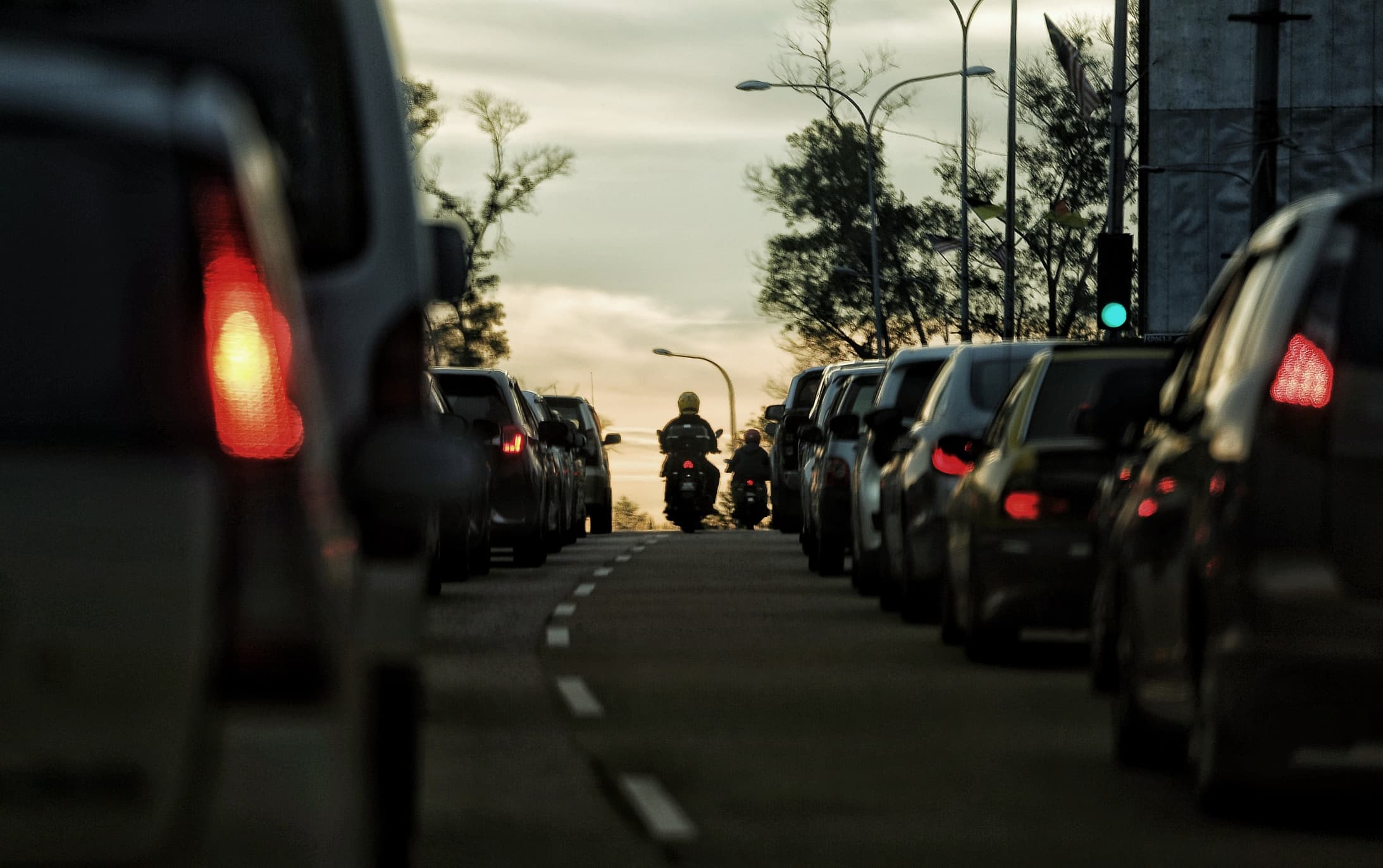
Speed Limits and the New 150 km/h Rule
The most important speed limits for motorcycles in the Czech Republic:* Urban areas: 50 km/h (20 km/h in traffic-calmed zones)
- Outside urban areas: 90 km/h
- Expressways: 110 km/h
- Highways: 130 km/h
- Certain highway sections (since 2024): 150 km/h, where posted
The 150 km/h rule was introduced in 2024 and applies only to selected, clearly marked highway sections. When in doubt, stick to the standard 130 km/h limit.
Best Time for a Motorcycle Trip in the Czech Republic
The ideal season varies slightly by region:- Ore Mountains & Bohemian Forest: May to October. Especially beautiful in early fall when the leaves begin to change.
- Giant Mountains & Beskids: Mid-May to mid-September. Before and after that, nights can get quite cold.
- Bohemian Paradise & Moravia: April to October. Moravia's wine regions are especially worth visiting during the grape harvest in September.
- Prague and surroundings: Year-round, but peak season (July/August) is crowded and expensive.
Sweet spot: mid-May to mid-June and early to mid-September. Expect light traffic, mild temperatures, and all attractions to be open.
Food & Accommodation
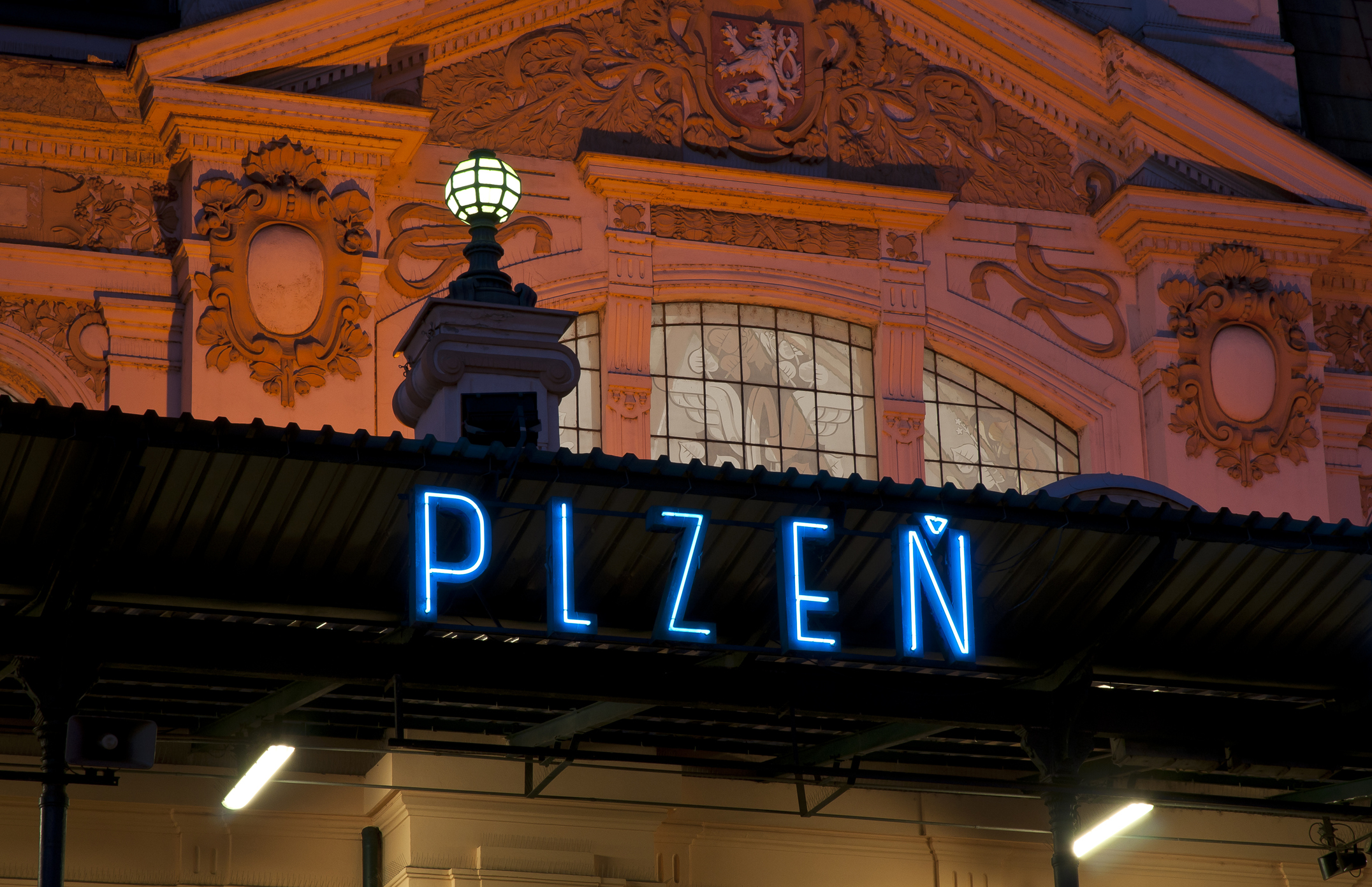
What sets a motorcycle trip through the Czech Republic apart from collecting mountain passes in the Alps is its more relaxed pace. For many riders, three things are part of the experience:- Pilsner beer – first brewed in Plzeň (Pilsen) in 1842. A visit to the brewery museum is worthwhile even if you're not a beer drinker (and the non-alcoholic Pilsner is surprisingly good).
- Dumplings with roast pork (Vepřo-knedlo-zelo) and goulash – hearty Bohemian cuisine is exactly what you need after a full day in the saddle.
- Guesthouses instead of hotels – small, family-run guesthouses are affordable, welcoming, and often motorcycle-friendly, with features such as courtyards and lockable garages.
Conclusion
A motorcycle trip through the Czech Republic is the relaxed, laid-back alternative to a motorcycle vacation in Central Europe: rolling hills instead of Alpine passes, quiet country roads instead of traffic jams, dumplings and Pilsner instead of tourist menus, and no vignette required instead of worrying about toll fees.Most riders who visit once end up coming back. The two things you really need to remember are the 0.0 blood alcohol limit (which means saving the beer for the evening at your guesthouse) and carrying a first-aid kit in your Top Case. A well-planned route takes care of the rest, and that's exactly where calimoto comes in.
Šťastnou cestu – have a great trip!
Plan the perfect ride