
Buying a Motorcycle: New or Used? Here’s What You Need to Consider
Buying a new or used motorcycle? Compare the pros and cons, ongoing costs, and key considerations, plus tips for negotiating the best price.
Buying a Motorcycle: New or Used? Here’s What You Need to Consider
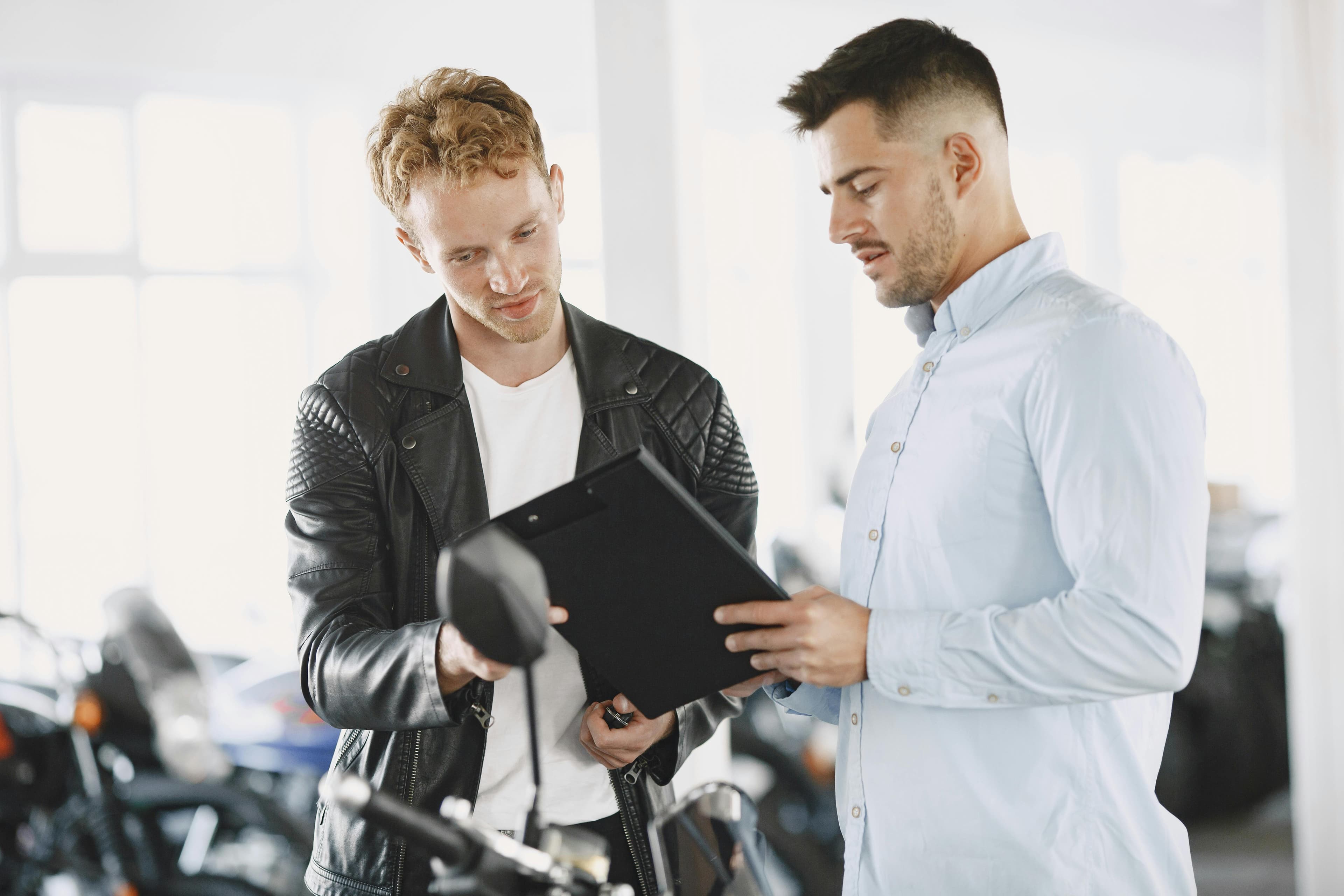
Purchasing a motorcycle is a decision that should be well-considered –whether you’re looking to buy a new or used bike. Here, you'll learn what to look for regarding condition checks, documents, price negotiations, and safety. You'll also receive valuable tips for buying new vehicles.
When to Buy a Motorcycle
Especially in the fall and winter, many dealers offer discounts on new motorcycles, as demand is lower during these seasons and they want to clear out inventory. You can also find great deals in the used market during the colder months. In spring, demand noticeably increases, which can lead to rising prices and popular models selling out quickly. So if you are flexible, negotiating in the fall or winter often allows you to secure better terms and save money.
Buying a New Motorcycle: Advantages and Tips
Purchasing a new motorcycle offers several advantages: You get the latest model, which is up to date in terms of technology, and you benefit from the manufacturer's warranty. Additionally, you can often customize a new vehicle to choose exactly the features that meet your needs. Here are some tips to help you find the perfect new motorcycle:
Model selection and test ride: Before settling on a model, it's worth comparing various motorcycles and - if possible - taking a test ride. This way, you'll get a feel for which model best suits your riding style.
Features and accessories: Another advantage of buying a new vehicle is the ability to tailor the equipment to your liking. Consider what functions are important to you, and check if additional extras like heated grips, a navigation system, or special cases could be beneficial.
Warranty and service offers: The manufacturer's warranty on new vehicles provides extra security in case of technical issues. Many dealers also offer service packages that include regular inspections or extended warranty coverage - a wise investment for long-term optimal maintenance.
A new vehicle is a bigger investment, but in return, you get a motorcycle that perfectly matches your expectations and will accompany you on many safe and exciting rides.

Buying a Used Motorcycle: The Benefits
For many riders, a used motorcycle is the easiest way to get on two wheels, especially when buying their first bike. Here's why buying used makes sense:
- Lower purchase price: For the same budget, you can often get a larger or better-equipped motorcycle.
- Lower depreciation: Motorcycles lose most of their value in the first few years, so the previous owner has already absorbed the biggest drop.
- Wider selection: The used motorcycle market also includes models that are no longer in production.
- Less stress: A scratch or a tip-over while maneuvering is easier to shrug off on a used bike than on a brand-new one.
Buying a Used Motorcycle – Condition Check
When purchasing a used motorcycle, it's crucial to thoroughly examine it's technical condition. Pay attention to critical components like the steering head bearings, wheel bearings, chain, brakes, and engine. Signs such as crash marks, oil leaks, or rust can indicate issues that might lead to costly repairs. A detailed inspection ensures that you won't encounter any unpleasant surprises.
Maintenance Documents and Vehicle History
A reputable previous owner should be able to provide you with maintenance logs, inspection reports, and repair invoices. These documents will give you insights into the motorcycle's care, and demonstrate whether the maintenance intervals have been followed. Also, check if any modifications and accessories have been properly registered to avoid legal issues.
Price Negotiation and Market Value
Compare the market value of similar models to establish a realistic price range. Look at the prices of comparable motorcycles on used market platforms to get a sense of the market. When negotiating, it's advisable to have some wiggle room. Mention any identified issues during the price negotiation – this can help you lower the price and secure a good deal.
Tires and Safety Check
The tires are an essential safety aspect that you shouldn't overlook when buying a motorcycle. Check the tread depth – the legal minimum is 1.6 mm, but ideally, it should be at least 3 mm. The age of the tires is also crucial: ideally, tires should not be older than six years. It's also important to examine the brakes and electronics to ensure that the motorcycle is in excellent condition.
New or Used: Which Is Right for You?
There’s no one-size-fits-all answer. These rules of thumb can help you decide:
- Consider used if you're buying your first motorcycle, have a limited budget, or are still figuring out which type of motorcycle suits you.
- Consider new if you know exactly which model you want, value a warranty and the latest technology, and plan to ride the motorcycle for many years.
- Buying used from a dealer can be a good middle ground: You'll pay less than for a new motorcycle and may have better protection if problems arise than when buying from a private seller.
Motorcycle Costs: Purchase Price and Ongoing Expenses
The purchase price is only part of the equation. Whether you buy new or used, there are other costs to consider. Be sure to factor these in from the start:
- Insurance: Your premium depends on factors such as the model, where you live, and your riding experience. Get a quote for the model you want before you buy.
- Taxes and fees: Depending on where you live, you may have to pay annual vehicle taxes or fees. Find out in advance what applies to the model you want.
- Maintenance and servicing: For new motorcycles, warranty conditions often require regular inspections at a specialist workshop.
- Replacement parts: Tires, chains, sprockets, and brake pads need to be replaced regularly, sometimes shortly after buying a used motorcycle.
- Riding gear: When buying your first motorcycle, you'll also need a helmet, riding suit, gloves, and boots.
Whether you decide on a new or used motorcycle, these tips will help you be well-prepared. This way, buying a motorcycle becomes a safe and exciting ride!